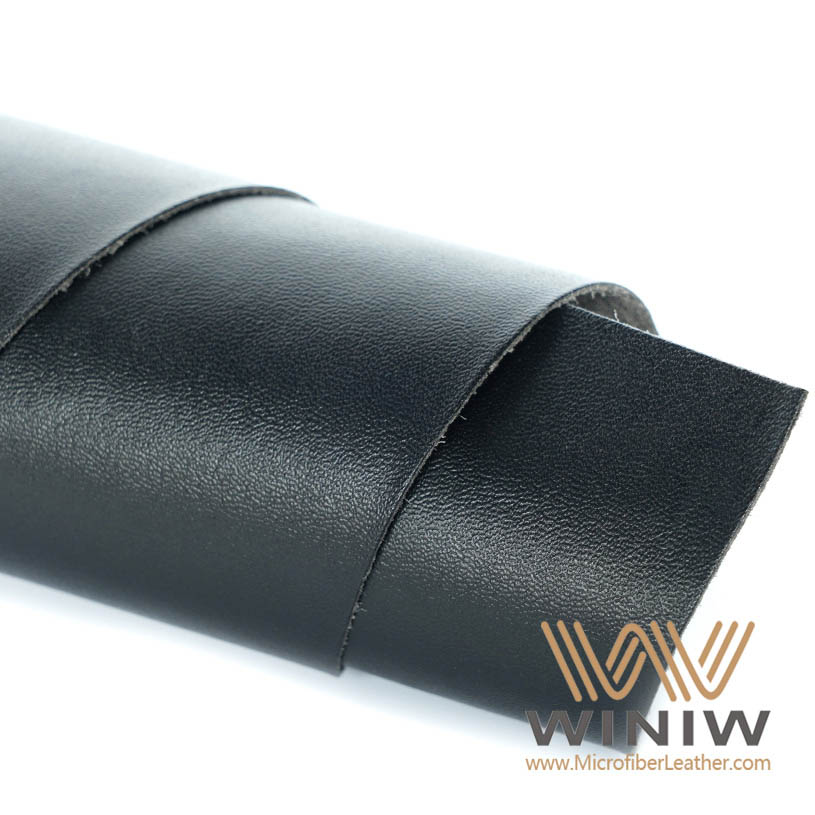
Saat mencari kain tahan api, keandalan pemasok menjadi prioritas utama. Mitra yang andal membantu perusahaan melindungi pekerja yang bergantung pada peralatan pelindung diri (APD). Mereka memastikan bahwa setiap batch Serat Mikro Tahan Api memenuhi standar keselamatan yang ketat. Keputusan pengadaan yang buruk dapat menyebabkan ketidakpatuhan, penarikan produk, atau kegagalan keselamatan. Pemeriksaan yang cermat mengurangi risiko ini dan membangun kepercayaan dalam rantai pasokan. Pembeli yang cerdas selalu menuntut bukti kualitas sebelum membuat komitmen.
Prioritaskan keandalan pemasok untuk memastikan keamanan dan kepatuhan pada kain tahan api.
Selalu mintalah dan verifikasi sertifikasi seperti NFPA dan OEKO-TEX untuk memastikan keamanan produk.
Lakukan peninjauan dokumentasi secara menyeluruh untuk memastikan kepatuhan terhadap standar keselamatan.
Minta sampel produk untuk mengevaluasi kualitas sebelum mengambil keputusan pembelian.
Carilah pemasok dengan ulasan pelanggan positif dan reputasi industri yang kuat.
Pastikan komunikasi yang jelas dan respons yang cepat dari pemasok untuk menghindari kesalahpahaman.
Pilihlah pemasok yang menawarkan harga transparan dengan rincian penawaran untuk mencegah biaya tersembunyi.
Gunakan daftar periksa terstruktur untuk mengevaluasi pemasok secara konsisten dan membuat keputusan yang tepat.
Sertifikasi memainkan peran penting dalam dunia kain tahan apiSertifikasi ini membantu perusahaan membuktikan bahwa produk mereka memenuhi standar keselamatan yang ketat. Sertifikasi ini juga menunjukkan bahwa kain tersebut dapat melindungi pengguna di lingkungan yang berbahaya. Tanpa sertifikasi yang tepat, kain tahan api mungkin tidak menawarkan tingkat perlindungan yang dipersyaratkan oleh hukum atau pedoman industri. Perusahaan yang menggunakan kain tahan api yang tidak bersertifikat berisiko gagal dalam inspeksi, menghadapi penarikan produk, atau bahkan menyebabkan bahaya bagi pengguna akhir.
Beberapa organisasi menetapkan standar keselamatan untuk kain tahan api. Asosiasi Perlindungan Kebakaran Nasional (NFPA) membuat kode yang memandu penggunaan kain tahan api dalam pakaian dan peralatan pelindung. Sertifikasi OEKO-TEX memeriksa zat berbahaya dalam kain, memastikan kain tersebut aman untuk digunakan manusia. Sertifikasi penting lainnya termasuk pengakuan UL, yang menegaskan bahwa bahan tahan api memenuhi persyaratan pengujian yang ketat.
Sertifikasi industri untuk kain tahan api memastikan kepatuhan terhadap standar keselamatanyang sangat penting untuk keamanan produk.
Pengujian dan sertifikasi produk secara berkelanjutan diperlukan untuk mengikuti perkembangan peraturan yang terus berubah, yang berdampak pada upaya kepatuhan para produsen.
Perbedaan peraturan di berbagai wilayah mengharuskan produsen untuk memodifikasi produk dan memperoleh sertifikasi tambahan, sehingga mempersulit kepatuhan dan memasuki pasar.
Para produsen harus selalu mengikuti perkembangan sertifikasi ini karena peraturan sering berubah. Kain tahan api yang memenuhi standar di suatu wilayah mungkin memerlukan pengujian tambahan untuk digunakan di negara lain. Proses ini membantu menjaga agar kain tahan api tetap aman dan andal bagi semua orang.
Untuk membuktikan kepatuhan, pemasok harus menyediakan dokumentasi yang jelas untuk kain tahan api mereka. Pembeli harus selalu meminta dokumen-dokumen ini sebelum melakukan pembelian. Tabel berikut mencantumkan jenis-jenis dokumentasi umum yang digunakan untuk memverifikasi kepatuhan dengan standar tahan api:
Jenis Dokumentasi | Keterangan |
|---|---|
Tanda pengenal UL dan nomor berkas | Verifikasi kepatuhan terhadap standar UL |
Sertifikat uji pabrikan | Bukti pengujian dan kepatuhan |
Lembar spesifikasi material | Rincian tentang bahan yang digunakan |
Kepatuhan terhadap instruksi pemasangan | Memastikan praktik pemasangan yang tepat. |
Catatan dan temuan inspeksi | Dokumentasi inspeksi yang dilakukan |
Laporan tindakan pemeliharaan | Catatan perawatan yang dilakukan |
Ketertelusuran suku cadang pengganti | Pelacakan suku cadang yang digunakan untuk penggantian |
Pembaruan sertifikasi kepatuhan | Memastikan kepatuhan berkelanjutan terhadap standar. |
Dokumen-dokumen ini membantu pembeli memastikan bahwa kain tahan api memenuhi semua standar keselamatan yang dipersyaratkan. Dokumen-dokumen ini juga memberikan catatan pengujian, inspeksi, dan pemeliharaan, yang mendukung kepatuhan berkelanjutan.
Pengujian pihak ketiga menambahkan lapisan kepercayaan lain pada proses sertifikasi kain tahan api. Laboratorium independen menguji kain tahan api untuk memastikan kain tersebut memenuhi semua standar keselamatan. Proses ini membantu pembeli menghindari ketergantungan hanya pada klaim pemasok. Banyak departemen pemadam kebakaran sekarang mengirimkan peralatan mereka untuk pengujian independen guna memastikan peralatan tersebut memenuhi peraturan negara bagian. Tren ini menunjukkan meningkatnya permintaan akan transparansi dalam penggunaan bahan tahan api.
Proses verifikasi melibatkan pengujian pihak ketiga independen untuk memastikan kepatuhan terhadap sertifikasi kain tahan api.
Pergeseran ini didorong oleh tekanan regulasi dan kebutuhan akan transparansi dalam penggunaan PFAS pada peralatan pemadam kebakaran.
Dinas pemadam kebakaran semakin sering mengirimkan peralatan mereka untuk diuji guna memastikan kepatuhan terhadap peraturan negara bagian.
Pengujian pihak ketiga melindungi pembeli dari risiko tersembunyi. Hal ini juga membantu perusahaan untuk mengikuti perubahan peraturan terkait kain tahan api. Dengan memilih pemasok yang menawarkan hasil pengujian pihak ketiga, pembeli dapat merasa yakin bahwa kain tahan api yang mereka terima akan berfungsi sesuai janji.
Tip: Selalu mintalah laporan uji pihak ketiga dan dokumentasi terbaru saat mencari kain tahan api. Langkah ini memastikan bahwa kain tersebut memenuhi standar keselamatan dan persyaratan peraturan yang berlaku.
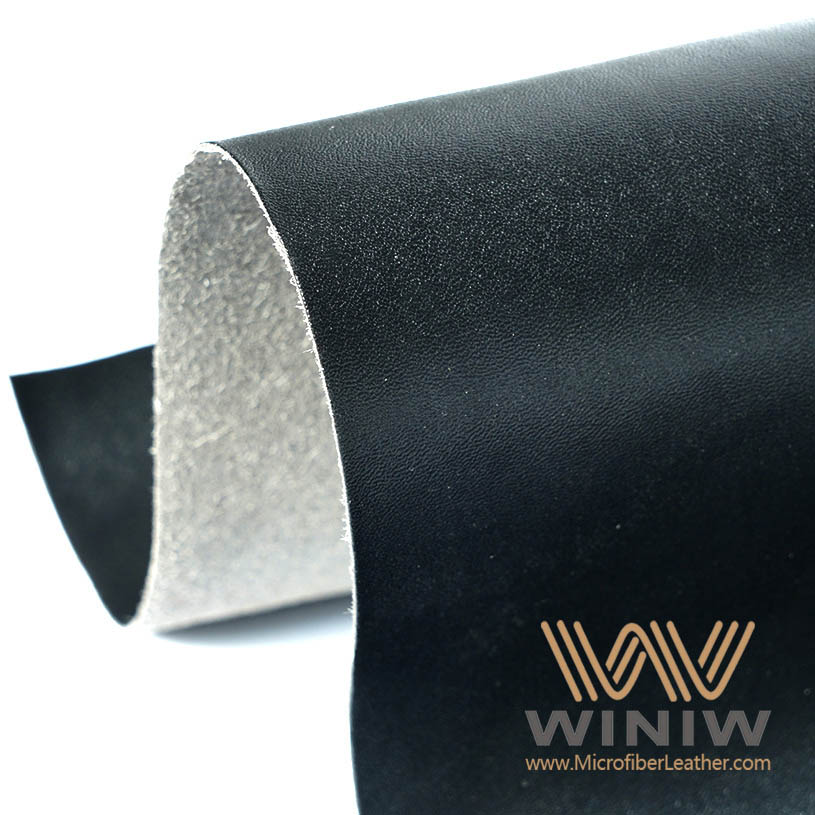
Memilih pemasok mikrofiber tahan api yang andal memerlukan evaluasi yang cermat terhadap reputasi mereka. Reputasi pemasok sering kali mencerminkan komitmen mereka terhadap kualitas, kepuasan pelanggan, dan standar industri. Pembeli harus mengumpulkan informasi dari berbagai sumber untuk membentuk gambaran yang lengkap.
Platform online menyediakan wawasan berharga tentang kinerja pemasok. Situs web seperti Alibaba, ThomasNet, dan forum khusus industri memungkinkan pembeli untuk membaca ulasan dari pelanggan lain. Ulasan ini sering menyoroti kekuatan dan kelemahan di berbagai bidang seperti kualitas produk, waktu pengiriman, dan layanan pelanggan. Pola umpan balik positif biasanya menandakan pemasok yang dapat dipercaya. Ulasan negatif atau keluhan yang belum terselesaikan dapat mengindikasikan potensi risiko.
Tip: Carilah pemasok dengan jumlah ulasan positif yang tinggi dalam jangka waktu yang lama. Konsistensi dalam umpan balik menunjukkan kinerja yang stabil.
Referensi langsung memberikan lapisan jaminan tambahan. Pembeli dapat meminta informasi kontak klien sebelumnya dan berbicara langsung dengan mereka. Percakapan ini membantu memverifikasi klaim yang dibuat oleh pemasok. Pertanyaan-pertanyaan kunci mungkin meliputi:
Apakah pemasok mengirimkan produk tepat waktu?
Apakah itu mikrofiber tahan api Kualitasnya konsisten?
Bagaimana pemasok menangani masalah atau keluhan?
Referensi langsung sering memberikan umpan balik jujur yang mungkin tidak tercakup dalam ulasan online.
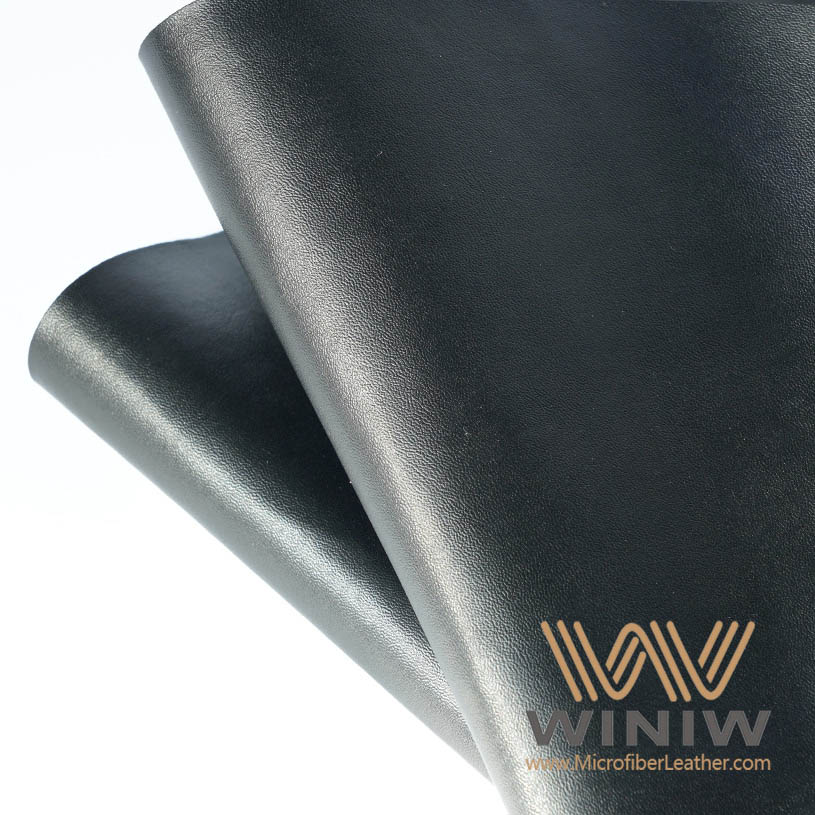
Pengalaman pemasok di industri ini seringkali berkorelasi dengan keandalan. Perusahaan yang telah beroperasi selama bertahun-tahun biasanya memahami kompleksitas produksi mikrofiber tahan api. Mereka kemungkinan besar telah menghadapi dan memecahkan berbagai tantangan. Lamanya masa beroperasi juga menunjukkan stabilitas keuangan dan komitmen terhadap kemitraan jangka panjang.
Lama Beroperasi | Indikator Keandalan |
|---|---|
1-3 | Baru, kurang terbukti |
4-7 | Memperoleh pengalaman |
8+ | Terpercaya dan terpercaya |
Tidak semua pemasok dengan pengalaman industri mengkhususkan diri dalam mikrofiber tahan api. Pembeli harus meminta studi kasus atau ringkasan proyek yang menunjukkan hal tersebut. keahlian pemasok di bidang spesifik ini. Rekam jejak yang kuat mencakup pengiriman yang sukses, umpan balik klien yang positif, dan kepatuhan terhadap standar keselamatan. Pemasok yang dapat memberikan bukti kinerja masa lalu dalam mikrofiber tahan api akan menumbuhkan kepercayaan yang lebih besar selama proses pengadaan.
Catatan: Pemasok dengan rekam jejak yang terbukti dalam mikrofiber tahan api lebih cenderung memahami persyaratan peraturan dan memberikan kualitas yang konsisten.
Memilih mikrofiber tahan api berkualitas tinggi membutuhkan pendekatan langsung. Pembeli tidak boleh hanya mengandalkan klaim pemasok. Mereka perlu melihat dan menguji produk sebenarnya. kain tahan api Sebelum mengambil keputusan. Bagian ini menjelaskan cara meminta sampel, mengevaluasinya, dan memahami prosedur pengujian yang menjamin keamanan dan kinerja.
Meminta sampel adalah langkah penting dalam proses pengadaan. Sampel memungkinkan pembeli untuk memeriksa sifat fisik kain tahan api. Mereka dapat memeriksa tekstur, ketebalan, dan fleksibilitas bahan. Sampel yang baik harus terasa konsisten dan tidak menunjukkan titik lemah. Pembeli juga harus memeriksa warna dan hasil akhir. Keseragaman di area ini sering menandakan standar produksi yang tinggi.
Saat mengevaluasi mikrofiber tahan api, pembeli harus melakukan tes sederhana. Mereka dapat menekuk, meregangkan, dan menggosok kain untuk memeriksa daya tahannya. Mereka harus mencari tanda-tanda berjumbai atau pudar. Masalah-masalah ini dapat mengindikasikan kualitas yang buruk. Pembeli juga dapat memaparkan potongan kecil sampel ke sumber panas yang terkontrol. Tes ini membantu mengkonfirmasi sifat tahan api dari kain tersebut. Jika sampel tahan terhadap penyalaan dan tidak meleleh atau menetes, maka sampel tersebut lolos pemeriksaan keamanan dasar.
Tip: Selalu minta beberapa sampel dari batch produksi yang berbeda. Praktik ini membantu mengidentifikasi ketidaksesuaian pada kain tahan api.
Membandingkan sampel dari beberapa pemasok memberikan gambaran yang jelas kepada pembeli tentang perbedaan kualitas. Mereka harus membuat daftar periksa untuk menilai setiap sampel berdasarkan faktor-faktor kunci. Faktor-faktor ini meliputi penampilan, kekuatan, dan ketahanan terhadap api. Pembeli dapat menggunakan tabel seperti di bawah ini untuk menyusun temuan mereka:
Nama Pemasok | Penampilan | Kekuatan | Ketahanan terhadap api | Skor Keseluruhan |
|---|---|---|---|---|
Pemasok A | Bagus | Tinggi | Bagus sekali | 9/10 |
Pemasok B | Adil | Sedang | Bagus | 7/10 |
Pemasok C | Bagus sekali | Tinggi | Bagus sekali | 10/10 |
Metode ini membantu pembeli memilih mikrofiber tahan api terbaik untuk kebutuhan mereka. Selain itu, metode ini juga mendorong pemasok untuk mempertahankan standar tinggi untuk kain tahan api mereka.
Prosedur pengujian memainkan peran utama dalam memverifikasi keamanan kain tahan api. Beberapa pemasok melakukan pengujian internal. Pengujian ini dapat memberikan hasil yang cepat. Namun, pembeli tidak boleh hanya bergantung pada pengujian internal. Laboratorium independen menawarkan hasil yang tidak bias. Mereka menggunakan peralatan canggih dan mengikuti protokol yang ketat. Pengujian independen mengkonfirmasi bahwa mikrofiber tahan api memenuhi standar industri.
Pembeli harus menanyakan kepada pemasok tentang metode pengujian mereka. Mereka harus meminta bukti pengujian laboratorium independen untuk semua kain tahan api. Langkah ini menambah lapisan kepercayaan ekstra. Ini juga melindungi pembeli dari risiko tersembunyi.
Laporan pengujian memberikan informasi rinci tentang kinerja kain tahan api. Pembeli harus meninjau laporan ini dengan cermat. Mereka harus memeriksa tanggal pengujian, metode yang digunakan, dan hasilnya. Laporan harus menunjukkan bahwa mikrofiber tahan api telah lulus semua uji keselamatan yang diperlukan. Uji utama meliputi uji nyala vertikal, waktu setelah nyala api padam, dan pengukuran panjang arang.
Pemasok yang andal akan membagikan laporan pengujian yang lengkap dan terbaru. Pembeli harus membandingkan laporan dari pemasok yang berbeda. Mereka harus mencari konsistensi dalam hasilnya. Setiap celah atau data yang hilang dapat menandakan masalah dengan kain tahan api tersebut.
Catatan: Selalu simpan salinan laporan pengujian untuk referensi di masa mendatang. Dokumen-dokumen ini mendukung kepatuhan dan membantu menyelesaikan perselisihan jika muncul masalah kualitas.
Mengevaluasi mikrofiber tahan api Kualitas membutuhkan perhatian terhadap detail. Pembeli harus meminta sampel, membandingkannya, dan meninjau hasil pengujian. Mereka harus memilih pemasok yang menggunakan laboratorium independen dan menyediakan dokumentasi lengkap. Pendekatan ini memastikan bahwa semua kain tahan api memenuhi standar keselamatan tertinggi.
Setiap industri memiliki persyaratan unik untuk kain tahan api. Beberapa perusahaan membutuhkan kain ringan untuk seragam, sementara yang lain membutuhkan bahan yang kuat untuk perlengkapan keselamatan industri. Pemasok yang andal menawarkan berbagai macam pilihan. opsi penyesuaian untuk memenuhi kebutuhan ini. Mereka dapat menyesuaikan ketebalan, warna, dan tekstur. Mereka juga dapat menyediakan berbagai tingkat ketahanan api berdasarkan tujuan penggunaan.
Pemasok yang memahami kebutuhan aplikasi dapat merekomendasikan kain terbaik untuk setiap situasi. Misalnya, rumah sakit mungkin membutuhkan kain yang lembut dan mudah bernapas untuk tempat tidur, sementara perusahaan konstruksi mungkin membutuhkan kain yang kuat dan tahan lama untuk pakaian pelindung. Kustomisasi memastikan bahwa kain tersebut berkinerja baik dalam kondisi dunia nyata.
Tip: Pembeli harus mengkomunikasikan kebutuhan mereka dengan jelas selama proses pengadaan. Spesifikasi yang detail membantu pemasok mengirimkan kain yang sesuai dengan kebutuhan setiap proyek.
Transparansi dalam praktik pengadaan bahan baku membangun kepercayaan antara pembeli dan pemasok. Pemasok yang bereputasi baik akan berbagi informasi tentang dari mana mereka memperoleh bahan baku. Mereka menjelaskan proses manufaktur dan langkah-langkah pengendalian mutu. Keterbukaan ini membantu pembeli memahami bagaimana kain dibuat dan apakah standar etika dipatuhi.
Pemasok yang menerapkan prinsip transparansi seringkali menyediakan dokumentasi tentang rantai pasokan mereka. Mereka mungkin menunjukkan sertifikasi untuk pengadaan bahan baku berkelanjutan atau praktik ketenagakerjaan yang etis. Informasi ini meyakinkan pembeli bahwa kain tersebut memenuhi standar keselamatan dan tanggung jawab sosial.
Penuh pengungkapan materi Hal ini penting untuk keselamatan dan kepatuhan. Pemasok harus mencantumkan semua komponen yang digunakan dalam kain mereka. Ini termasuk serat dasar, perlakuan tahan api, dan bahan tambahan apa pun. Pembeli membutuhkan informasi ini untuk memverifikasi bahwa kain tersebut memenuhi persyaratan peraturan.
Tabel dapat membantu mengatur detail materi:
Komponen | Tujuan | Sertifikasi Keselamatan |
|---|---|---|
Serat Dasar | Struktur kain | OEKO-TEX |
Tahan Api | Ketahanan terhadap api | NFPA |
Aditif | Daya tahan yang ditingkatkan | UL |
Ketika pemasok memberikan pengungkapan material yang jelas, pembeli dapat membuat keputusan yang tepat. Mereka juga dapat merespons dengan cepat jika peraturan berubah atau jika pelanggan meminta informasi lebih lanjut.
Catatan: Selalu mintalah daftar lengkap bahan dan sertifikasi sebelum menyelesaikan pemesanan kain tahan api.
Komunikasi yang kuat dan dukungan yang andal menjadi landasan bagi kemitraan yang sukses dengan pemasok mikrofiber tahan api. Perusahaan yang menghargai dialog yang jelas dan bantuan teknis membantu pembeli menghindari kesalahpahaman dan kesalahan yang mahal. Bagian ini menjelaskan bagaimana daya tanggap dan akses ke dukungan ahli memengaruhi proses pengadaan.
Kemampuan pemasok untuk merespons dengan cepat dan jelas sering kali menandakan komitmen mereka terhadap kepuasan pelanggan. Ketika pembeli mengirimkan pertanyaan, mereka mengharapkan balasan cepat yang langsung menjawab pertanyaan mereka. Balasan yang tertunda atau tidak jelas dapat menyebabkan frustrasi dan memperlambat proyek. Pemasok yang andal biasanya membalas dalam satu hari kerja dan memberikan jawaban yang rinci.
Pembeli harus menguji responsivitas pemasok sejak awal hubungan. Mereka dapat mengirimkan contoh pertanyaan tentang spesifikasi produk atau tenggat waktu pesanan. Pemasok yang menjawab dengan cepat dan memberikan informasi yang jelas menunjukkan bahwa mereka menghargai kemitraan tersebut. Komunikasi yang konsisten juga membantu menyelesaikan masalah sebelum masalah tersebut semakin memburuk.
Tip: Catat semua komunikasi dengan pemasok. Praktik ini membantu melacak waktu respons dan memastikan akuntabilitas.
Tabel sederhana dapat membantu pembeli membandingkan responsivitas pemasok:
Nama Pemasok | Waktu Respons Rata-rata | Kualitas Komunikasi |
|---|---|---|
Pemasok X | 4 jam | Jelas dan detail |
Pemasok Y | 2 hari | Singkat dan tidak jelas |
Pemasok Z | 1 hari | Memuaskan |
Dukungan teknis memainkan peran penting dalam pemilihan dan penggunaan mikrofiber tahan api. Pemasok dengan staf yang berpengetahuan dapat menjawab pertanyaan kompleks tentang kinerja produk, sertifikasi, dan metode aplikasi. Akses ke para ahli memastikan bahwa pembeli menerima panduan yang akurat sepanjang proses pengadaan.
Pembeli sebaiknya menanyakan apakah pemasok menawarkan akses langsung ke spesialis teknis. Para ahli ini dapat membantu menafsirkan laporan pengujian, merekomendasikan produk yang sesuai, dan mengatasi masalah yang muncul. Beberapa pemasok menyediakan tim dukungan khusus atau menugaskan kontak teknis untuk setiap klien.
Dukungan ahli membantu pembeli:
Pahami persyaratan sertifikasi
Pilihlah mikrofiber tahan api yang tepat untuk penggunaan spesifik.
Selesaikan masalah teknis dengan cepat.
Catatan: Pemasok yang berinvestasi dalam pelatihan teknis untuk staf mereka sering kali memberikan layanan yang lebih baik dan produk yang lebih andal.
Komunikasi yang efektif dan dukungan teknis yang kuat mengurangi risiko dan membangun kepercayaan. Pembeli yang memprioritaskan faktor-faktor ini selama proses pengadaan lebih cenderung mencapai hubungan pemasok jangka panjang yang sukses.
A rantai pasokan yang andal Memastikan bahwa mikrofiber tahan api tiba tepat waktu dan dalam kondisi baik. Perusahaan bergantung pada pemasok yang dapat mengirimkan produk tanpa penundaan atau kerusakan. Bagian ini menjelaskan bagaimana pembeli dapat mengevaluasi keandalan pengiriman dan skalabilitas pemasok.
Pemasok harus membuktikan bahwa mereka dapat mengirimkan pesanan sesuai janji. Pengiriman yang andal mendukung jadwal produksi dan membantu perusahaan menghindari waktu henti yang mahal. Pembeli harus menanyakan kepada pemasok tentang riwayat pengiriman mereka dan meminta data pengiriman sebelumnya.
Tingkat ketepatan waktu menunjukkan seberapa sering pemasok memenuhi tanggal pengiriman yang disepakati. Tingkat ketepatan waktu yang tinggi menunjukkan logistik dan perencanaan yang kuat. Tingkat yang rendah mungkin menandakan masalah dengan persediaan, transportasi, atau komunikasi.
Tabel sederhana membantu pembeli membandingkan kinerja pemasok:
Nama Pemasok | Tingkat Pengiriman Tepat Waktu | Rata-rata Keterlambatan (Hari) |
|---|---|---|
Pemasok A | 98% | 1 |
Pemasok B | 90% | 3 |
Pemasok C | 85% | 5 |
Tip: Pilihlah pemasok dengan tingkat ketepatan waktu di atas 95%. Kinerja yang konsisten mengurangi risiko keterlambatan proyek.
Pembeli juga dapat meminta referensi dari klien lain. Referensi ini dapat mengkonfirmasi apakah pemasok memberikan layanan sesuai janji.
Skalabilitas mengukur kemampuan pemasok untuk menangani perubahan ukuran pesanan. Perusahaan mungkin perlu menambah atau mengurangi pesanan berdasarkan permintaan. Pemasok yang skalabel beradaptasi dengan cepat dan mempertahankan kualitas.
Beberapa proyek membutuhkan sejumlah besar mikrofiber tahan apiTidak semua pemasok dapat menangani pesanan dalam jumlah besar tanpa penundaan atau masalah kualitas. Pembeli harus menanyakan tentang kapasitas produksi maksimum dan waktu tunggu untuk pesanan besar.
Daftar periksa untuk mengevaluasi kemampuan pesanan dalam jumlah besar:
Bisakah pemasok memberikan jadwal produksi untuk pesanan dalam jumlah besar?
Apakah pemasok memiliki stok bahan baku yang cukup?
Apakah pemasok tersebut pernah mengirimkan pesanan dalam jumlah besar sebelumnya?
Pemasok yang menjawab pertanyaan-pertanyaan ini dengan jelas menunjukkan bahwa mereka mampu mendukung bisnis yang sedang berkembang.
Fleksibilitas berarti pemasok dapat menyesuaikan diri dengan perubahan ukuran pesanan, tanggal pengiriman, atau spesifikasi produk. Pemasok yang fleksibel membantu perusahaan merespons perubahan pasar dan kebutuhan mendesak.
Catatan: Pemasok yang fleksibel sering menawarkan pengiriman dipercepat, produksi mendesak, atau pengiriman bertahap. Opsi-opsi ini membantu pembeli mengelola perubahan yang tidak terduga.
Pembeli harus membahas fleksibilitas selama negosiasi. Mereka dapat meminta contoh bagaimana pemasok menangani perubahan mendadak di masa lalu.
Rantai pasokan yang kuat mendukung pertumbuhan dan stabilitas bisnis. Pembeli yang mengevaluasi keandalan dan skalabilitas pengiriman mengurangi risiko dan membangun kemitraan jangka panjang dengan pemasok mikrofiber tahan api mereka.
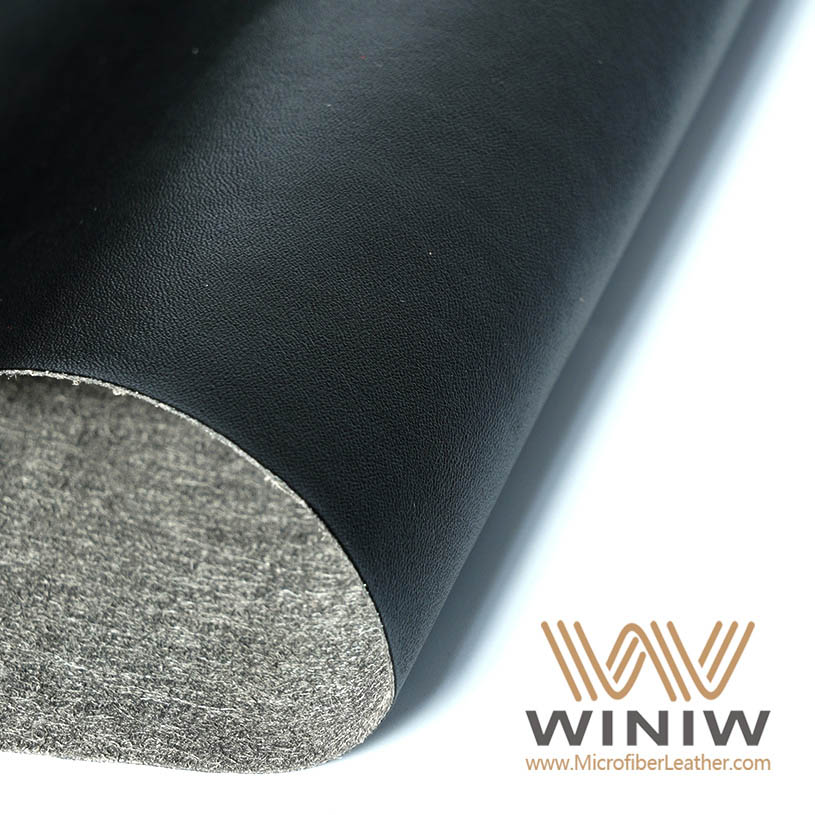
Memahami harga dan ketentuan pembayaran membantu pembeli menghindari biaya tak terduga. mencari kain mikrofiber tahan apiPemasok yang andal memberikan informasi yang jelas tentang harga dan opsi pembayaran mereka. Bagian ini menjelaskan cara mengevaluasi transparansi harga dan praktik pembayaran yang aman.
Pemasok tepercaya selalu memberikan penawaran harga terperinci. Penawaran ini merinci total biaya ke dalam kategori spesifik. Pembeli dapat melihat harga untuk setiap jenis kain, pengiriman, pajak, dan layanan tambahan apa pun. Tingkat detail ini memudahkan perbandingan penawaran dari pemasok yang berbeda. Ini juga membantu pembeli memahami apa yang mereka bayar.
Contoh rincian penawaran harga mungkin terlihat seperti ini:
Barang | Keterangan | Biaya |
|---|---|---|
Kain Tahan Api | 1000 yard, warna khusus | $5.000 |
Pengiriman | Pengiriman standar | $300 |
Biaya Tes | Sertifikasi laboratorium pihak ketiga | $200 |
Total |
| $5.500 |
Tip: Selalu minta penawaran terperinci sebelum melakukan pemesanan. Langkah ini mencegah kebingungan dan mendukung perencanaan anggaran yang lebih baik.
Biaya tersembunyi dapat meningkatkan total biaya kain tanpa peringatan. Pemasok yang andal akan mengungkapkan semua kemungkinan biaya di muka. Pembeli harus menanyakan tentang biaya tambahan, seperti pesanan mendesak, pengemasan, atau biaya dokumentasi. Jika pemasok menghindari menjawab pertanyaan tentang biaya, ini mungkin menandakan kurangnya transparansi.
Daftar periksa untuk mengenali biaya tersembunyi:
Periksa semua item dalam penawaran harga.
Tanyakan tentang biaya tambahan untuk kain pesanan khusus.
Konfirmasikan apakah pajak dan bea masuk sudah termasuk.
Metode pembayaran yang aman melindungi baik pembeli maupun pemasok. Sebagian besar perusahaan terkemuka menerima transfer bank, kartu kredit, atau platform online yang aman. Setiap metode menawarkan tingkat perlindungan dan kemudahan yang berbeda. Pembeli harus memilih opsi yang paling sesuai dengan kebutuhan dan kebijakan perusahaan mereka.
Catatan: Hindari pemasok yang hanya menerima metode pembayaran yang tidak biasa atau meminta pembayaran ke rekening pribadi.
Syarat dan ketentuan pembayaran yang jelas menetapkan ekspektasi bagi kedua belah pihak. Pemasok harus menyatakan kapan pembayaran jatuh tempo, misalnya sebelum pengiriman atau setelah pengiriman. Mereka juga harus menjelaskan kebijakan pengembalian dana dan pembatalan mereka. Pembeli harus membaca ketentuan ini dengan cermat untuk menghindari kesalahpahaman.
Poin-poin penting yang perlu ditinjau dalam ketentuan pembayaran:
Jadwal pembayaran (uang muka, sisa pembayaran, tahapan pembayaran)
Kebijakan pengembalian dana untuk kain yang cacat
Denda untuk keterlambatan pembayaran
Memahami harga dan ketentuan pembayaran memastikan transaksi berjalan lancar. Pembeli yang berfokus pada transparansi dan keamanan mengurangi risiko dan membangun hubungan yang lebih kuat dengan pemasok mereka.
Tidak adanya sertifikasi merupakan peringatan besar saat mengevaluasi pemasok. kain tahan apiSertifikasi membuktikan bahwa kain tahan api memenuhi standar keselamatan dan kualitas yang ketat. Tanpa dokumen-dokumen ini, pembeli tidak dapat memastikan bahwa kain tersebut akan berfungsi sebagaimana mestinya di lingkungan yang berbahaya. Pemasok yang tidak dapat memberikan sertifikasi terbaru untuk kain tahan api mungkin tidak mengikuti peraturan industri. Kurangnya bukti ini dapat menyebabkan kegagalan kepatuhan, masalah hukum, atau produk yang tidak aman.
Pemasok yang andal selalu menyajikan sertifikasi yang valid untuk kain tahan api. Sertifikasi ini dapat mencakup tanda NFPA, OEKO-TEX, atau UL. Pembeli harus meminta untuk melihat dokumen-dokumen ini sebelum melakukan pembelian. Jika pemasok ragu-ragu atau memberikan alasan, perilaku ini harus segera menimbulkan kekhawatiran. Tidak adanya sertifikasi seringkali berarti bahwa pemasok belum menguji kain dengan benar atau bahwa kain tahan api tersebut tidak memenuhi persyaratan hukum.
Peringatan: Jangan pernah menerima kain tahan api tanpa sertifikasi yang sesuai. Langkah ini melindungi baik perusahaan maupun pengguna akhir.
Komunikasi yang buruk menimbulkan kebingungan dan meningkatkan risiko selama proses pengadaan kain tahan api. Pemasok yang lambat merespons atau memberikan jawaban yang tidak jelas mungkin tidak memprioritaskan kebutuhan pelanggan. Perilaku ini sering menyebabkan kesalahpahaman tentang spesifikasi produk, waktu pengiriman, atau sifat-sifat kain tahan api. Ketika pemasok tidak dapat menjelaskan fitur atau metode pengujian untuk kain mereka, pembeli harus mempertanyakan keahlian mereka.
Komunikasi yang jelas dan cepat menunjukkan bahwa pemasok menghargai transparansi dan keandalan. Pembeli harus memperhatikan seberapa cepat pemasok menjawab pertanyaan tentang kain tahan api. Keterlambatan atau respons yang tidak jelas dapat menandakan masalah yang lebih dalam, seperti kurangnya pengetahuan atau kurangnya organisasi. Komunikasi yang konsisten membantu mencegah kesalahan yang mahal dan memastikan bahwa kain tahan api memenuhi semua harapan.
Tanda-tanda komunikasi yang buruk:
Waktu respons yang lama
Jawaban yang mengelak atau tidak lengkap
Kesulitan menghubungi staf teknis
Ulasan negatif memberikan wawasan penting tentang rekam jejak pemasok dalam hal kain tahan api. Pelanggan sering berbagi pengalaman mereka tentang kualitas produk, keandalan pengiriman, dan layanan pelanggan. Pola umpan balik negatif menunjukkan bahwa pemasok mungkin tidak mengirimkan kain tahan api yang konsisten atau aman. Pembeli harus memeriksa beberapa platform ulasan dan mencari keluhan berulang tentang masalah yang sama.
Tabel dapat membantu mengorganisir temuan tinjauan:
Nama Pemasok | Keluhan Umum | Peringkat Keseluruhan |
|---|---|---|
Pemasok A | Pengiriman terlambat | 2/5 |
Pemasok B | Ketahanan api yang buruk | 1/5 |
Pemasok C | Dukungan tidak responsif | 2,5/5 |
Pembeli sebaiknya menghubungi referensi untuk mengkonfirmasi keakuratan ulasan online. Jika beberapa pelanggan melaporkan masalah dengan kain tahan api, pola ini tidak boleh diabaikan. Ulasan negatif sering kali menyoroti masalah yang mungkin tidak muncul dalam materi pemasaran atau promosi penjualan.
Tip: Gunakan ulasan online dan referensi langsung untuk mendapatkan gambaran lengkap tentang keandalan pemasok dalam hal kain tahan api.
Penetapan harga yang tidak jelas seringkali menandakan masalah saat mengevaluasi pemasok mikrofiber tahan api. Pemasok yang andal selalu menyajikan harga mereka secara transparan dan terperinci. Ketika pemasok memberikan penawaran harga yang samar atau menghindari menjawab pertanyaan tentang biaya, pembeli harus berhati-hati.
Pembeli mungkin memperhatikan beberapa tanda peringatan terkait penetapan harga yang tidak jelas:
Pemasok hanya memberikan total harga sekaligus tanpa rincian biaya.
Kutipan tersebut sering berubah tanpa penjelasan.
Pemasok menolak untuk menjelaskan biaya pengiriman, pengujian, atau kustomisasi.
Faktur tersebut mencakup biaya tak terduga setelah pesanan dilakukan.
Penawaran harga yang jelas dan terperinci membantu pembeli memahami dengan tepat apa yang mereka bayar. Hal ini juga memudahkan perbandingan antar pemasok yang berbeda. Jika pemasok tidak dapat memberikan informasi ini, pembeli mungkin menghadapi biaya tersembunyi atau perselisihan di kemudian hari.
Peringatan: Penetapan harga yang tidak jelas dapat menyebabkan pembengkakan anggaran dan merusak hubungan bisnis. Pembeli tidak boleh menerima penawaran harga yang kurang detail.
Tabel dapat membantu pembeli membedakan antara harga yang jelas dan harga yang tidak jelas:
Fitur Harga | Contoh Penetapan Harga yang Jelas | Contoh Penetapan Harga yang Tidak Jelas |
|---|---|---|
Perincian | Setiap biaya tercantum secara terpisah. | Hanya jumlah total yang ditampilkan |
Penjelasan Biaya | Semua biaya dijelaskan | Detail yang tidak jelas atau hilang |
Konsistensi | Harga sama untuk pesanan berulang. | Perubahan harga tanpa alasan |
Pengungkapan di Awal | Semua biaya tercantum sebelum pembelian. | Biaya tambahan setelah kesepakatan tercapai |
Pemasok yang menggunakan penetapan harga yang tidak jelas mungkin mencoba menyembunyikan biaya tambahan. Mereka mungkin menambahkan biaya untuk pengemasan, dokumentasi, atau pesanan mendesak tanpa peringatan. Praktik-praktik ini dapat menimbulkan kebingungan dan ketidakpercayaan.
Pembeli dapat melindungi diri mereka sendiri dengan mengikuti langkah-langkah berikut:
Mintalah penawaran tertulis yang detail sebelum melakukan pemesanan apa pun.
Mintalah pemasok untuk menjelaskan setiap item dalam penawaran harga.
Konfirmasikan apakah harga tersebut sudah termasuk ongkos kirim, pajak, dan biaya pengujian.
Bandingkan penawaran dari beberapa pemasok untuk menemukan biaya yang tidak wajar.
Simpan semua komunikasi tertulis tentang harga untuk referensi di masa mendatang.
Jika pemasok ragu-ragu memberikan jawaban atau dokumentasi yang jelas, pembeli harus menganggap ini sebagai tanda bahaya yang serius. Pemasok yang andal memahami pentingnya transparansi dan akan selalu mengklarifikasi struktur harga mereka.
Tip: Penetapan harga yang transparan mendukung penganggaran yang lebih baik dan membantu membangun kepercayaan antara pembeli dan pemasok. Selalu pilih pemasok yang menjunjung tinggi keterbukaan dan kejujuran dalam praktik bisnis mereka.
Ketidakjelasan harga dapat menyebabkan masalah besar dalam proses pengadaan. Dengan tetap waspada terhadap tanda bahaya ini, pembeli dapat menghindari kejutan yang mahal dan memastikan transaksi yang lancar untuk kain mikrofiber tahan api.
A daftar periksa terstruktur Alat ini membantu pembeli mengevaluasi pemasok mikrofiber tahan api dengan percaya diri. Alat ini memastikan bahwa tidak ada detail penting yang terlewatkan selama proses pengadaan. Tabel berikut mencantumkan kriteria penting untuk evaluasi pemasok:
Kriteria | Apa yang Harus Diperiksa | Mengapa Ini Penting |
|---|---|---|
Sertifikasi | Sertifikat NFPA, OEKO-TEX, UL, atau sertifikat lainnya yang masih berlaku. | Memastikan keamanan dan kepatuhan |
Sampel yang konsisten, hasil pengujian yang kuat. | Memastikan kinerja yang andal | |
Reputasi | Ulasan positif, referensi yang kuat | Menunjukkan kepercayaan |
Komunikasi | Respons yang cepat, jelas, dan membantu. | Mengurangi kesalahpahaman |
Opsi Kustomisasi | Kemampuan untuk memenuhi kebutuhan aplikasi tertentu | Mendukung persyaratan proyek |
Transparansi | Pengungkapan material secara lengkap, praktik pengadaan yang jelas. | Membangun kepercayaan |
Keandalan Pengiriman | Tingkat ketepatan waktu tinggi, penundaan minimal. | Menjaga agar proyek tetap sesuai jadwal. |
Skalabilitas | Kapasitas untuk pesanan besar atau yang berubah-ubah | Mendukung pertumbuhan bisnis |
Transparansi Harga | Penawaran harga terperinci, tanpa biaya tersembunyi. | Mencegah kejutan anggaran |
Ketentuan Pembayaran Aman | Metode aman, kondisi jelas | Melindungi kedua belah pihak |
Dukungan Teknis | Akses ke pakar produk | Memecahkan masalah dengan cepat |
Tip: Gunakan daftar periksa ini selama setiap evaluasi pemasok. Konsistensi mengarah pada keputusan pengadaan yang lebih baik.
Daftar periksa akan berfungsi paling baik jika pembeli menggunakannya di setiap tahap proses pemilihan pemasok. Mereka harus mulai dengan mengumpulkan informasi dari situs web pemasok, katalog produk, dan percakapan awal. Setiap kriteria harus diberi peringkat sederhana, seperti "Ya," "Tidak," atau "Membutuhkan Informasi Lebih Lanjut." Pendekatan ini membantu pembeli membandingkan beberapa pemasok secara berdampingan.
Contoh daftar periksa mungkin terlihat seperti ini:
Nama Pemasok | Sertifikasi | Kualitas | Reputasi | Komunikasi | Kustomisasi | Transparansi | Pengiriman | Skalabilitas | Harga | Pembayaran | Mendukung |
|---|---|---|---|---|---|---|---|---|---|---|---|
Pemasok A | Ya | Ya | Ya | Ya | Ya | Ya | Ya | Ya | Ya | Ya | Ya |
Pemasok B | No | Ya | No | Membutuhkan Informasi | Ya | No | Ya | Ya | No | Ya | Membutuhkan Informasi |
Pembeli harus memperbarui daftar periksa saat mereka menerima informasi baru. Mereka dapat menggunakan daftar periksa yang telah diisi untuk memandu diskusi tim dan keputusan akhir. Metode ini mengurangi risiko terlewatnya detail penting.
Catatan: Daftar periksa yang terawat dengan baik menjadi referensi berharga untuk proyek pengadaan di masa mendatang. Hal ini juga membantu anggota tim baru mempelajari proses evaluasi dengan cepat.
Daftar periksa yang jelas memberikan struktur pada evaluasi pemasok. Hal ini mendukung pilihan yang lebih baik dan membantu perusahaan menemukan mitra yang andal untuk pengadaan mikrofiber tahan api.
Pemasok mikrofiber tahan api yang andal membantu perusahaan menjaga keamanan dan kepatuhan. Pembeli harus fokus pada sertifikasi, kualitas produk, dan reputasi pemasok. Daftar periksa yang terstruktur mendukung evaluasi menyeluruh dan mengurangi risiko. Tinjauan pemasok secara berkala menjaga standar tetap tinggi.
Menggunakan daftar periksa memastikan tidak ada detail yang terlewatkan. Perusahaan yang memprioritaskan keandalan pemasok melindungi tim dan bisnis mereka. Mulailah setiap proyek pengadaan dengan riset yang cermat dan evaluasi berkelanjutan untuk hasil terbaik.
Pemasok yang andal harus menyediakan sertifikasi seperti NFPA, OEKO-TEX, dan UL. Dokumen-dokumen ini membuktikan bahwa kain tersebut memenuhi standar keselamatan dan kualitas. Selalu mintalah sertifikat terbaru sebelum melakukan pembelian.
Pembeli dapat meminta sampel produk dan meninjau laporan uji laboratorium independen. Mereka harus memeriksa konsistensi dalam penampilan, kekuatan, dan ketahanan terhadap api. Membandingkan sampel dari pemasok yang berbeda membantu mengidentifikasi pilihan terbaik.
Pengujian pihak ketiga menawarkan hasil yang tidak bias. Laboratorium independen menggunakan protokol ketat untuk memastikan bahwa kain tersebut memenuhi standar industri. Proses ini membantu pembeli menghindari ketergantungan hanya pada klaim pemasok.
Tanda-tanda peringatan umum meliputi kurangnya sertifikasi, komunikasi yang buruk, ulasan negatif, dan penetapan harga yang tidak jelas. Masalah-masalah ini dapat menandakan produk atau praktik bisnis yang tidak dapat diandalkan.
Pemasok yang dapat diandalkan Menawarkan opsi kustomisasi. Mereka menyesuaikan ketebalan, warna, dan ketahanan api untuk memenuhi kebutuhan spesifik. Pembeli harus mengkomunikasikan persyaratan mereka dengan jelas untuk memastikan pemasok dapat mengirimkan produk yang tepat.
Metode pembayaran yang aman meliputi transfer bank, kartu kredit, dan platform online tepercaya. Pembeli harus menghindari pemasok yang meminta pembayaran ke rekening pribadi atau menggunakan metode yang tidak lazim.
Pembeli harus meninjau tingkat pengiriman tepat waktu dari pemasok dan meminta referensi. Pemasok yang andal memberikan jadwal produksi yang jelas dan segera berkomunikasi tentang setiap penundaan.
Business Phone : +8618150976625
E-mail : Hello@MicrofiberLeather.com
Mobile & WhatsApp : +8618150976625
Alamat : W6-302 Shimao Manhadun Shuanglong Road, Jinjiang Quanzhou Fujian China



© hak cipta 2022 Winiw International Co., Ltd.Seluruh hak cipta.
XML | Kebijakan pribadi |