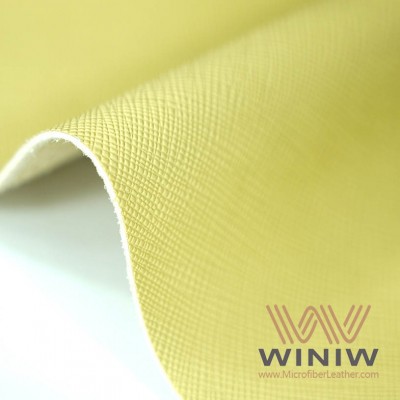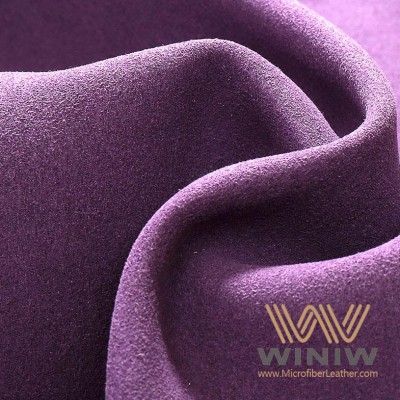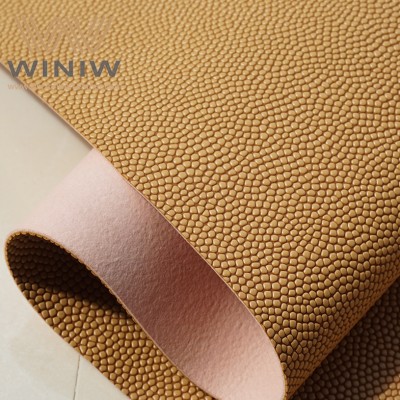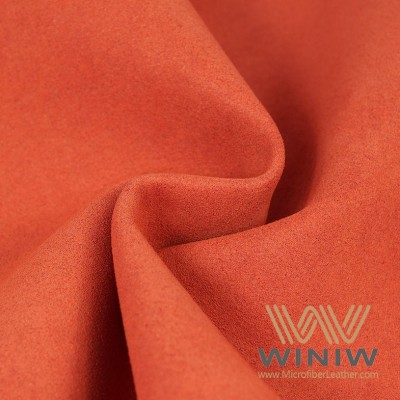
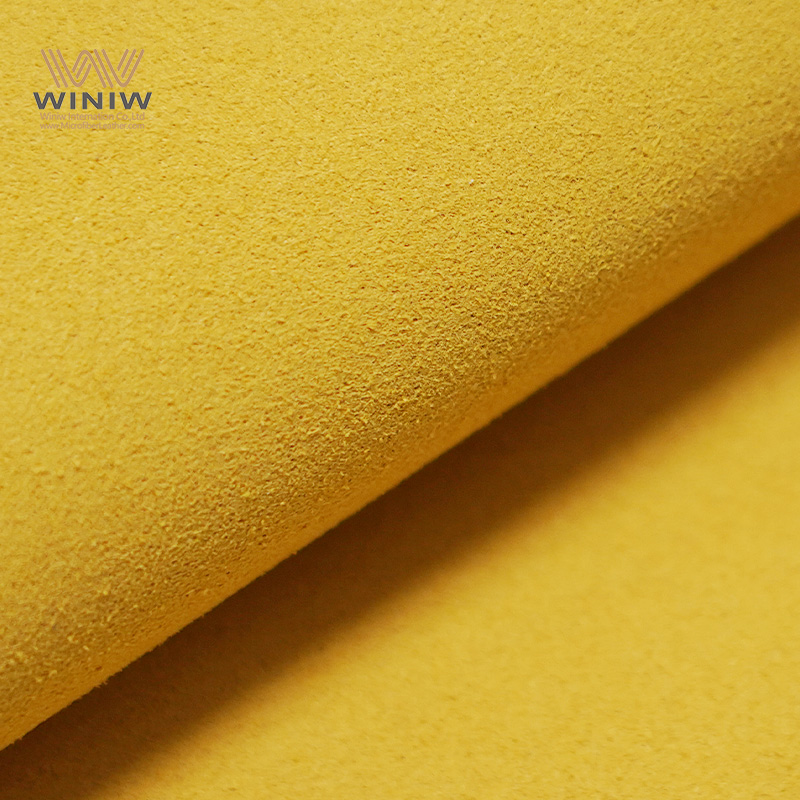
Kulit suede sintetis menawarkan solusi cerdas bagi mereka yang menghargai keberlanjutan dalam mode. Bahan imitasi ini menonjol sebagai pilihan ramah lingkungan karena menghindari produk hewani dan mendukung praktik ramah lingkungan. Banyak konsumen menyukai suede sintetis karena harga terjangkau dan ramah lingkungan. Orang-orang dapat menikmati pakaian yang tahan lama dan bergaya tanpa mengorbankan kualitas. Memilih bahan-bahan berkelanjutan seperti suede imitasi membantu menciptakan dampak positif bagi planet ini sekaligus menjaga agar lemari pakaian tetap modern dan serbaguna.
Kulit suede sintetis adalah Alternatif berkelanjutan untuk suede asli, terbuat dari serat sintetis tanpa produk hewani.
Memilih bahan suede imitasi membantu mengurangi konsumsi sumber daya, karena membutuhkan lebih sedikit air dan lahan dibandingkan dengan kulit asli.
Bahan suede imitasi tahan lama dan awet, menjadikannya investasi cerdas untuk gaya busana sehari-hari yang stylish.
Bahan ini serbaguna dan dapat digunakan dalam berbagai item fesyen, termasuk jaket, sepatu, dan tas.
Merawat bahan suede imitasi itu mudah; sebagian besar noda dapat dibersihkan dengan kain lembap, sehingga memperpanjang umur barang Anda.
Suede imitasi mendukung fesyen etis dengan menghilangkan peternakan hewan dan mempromosikan praktik bebas kekejaman.
Banyak merek kini menggunakan bahan daur ulang dalam bahan suede imitasi, semakin mengurangi dampak lingkungannya.
Memilih kulit suede sintetis berkontribusi pada masa depan mode yang lebih bersih dan bertanggung jawab.
Kulit suede sintetis adalah tekstil modern yang dirancang untuk meniru tampilan dan nuansa suede asli. Produsen menciptakan bahan ini menggunakan serat sintetis, yang paling umum adalah poliester atau campuran poliester dan poliuretan. Serat-serat ini ditenun atau dirajut menjadi permukaan yang lembut dan berbulu halus yang sangat mirip dengan suede alami. Hasilnya adalah kain yang terasa halus dan mewah saat disentuh. Banyak orang menyebut tekstil ini sebagai bahan suede imitasi karena menawarkan daya tarik visual yang sama dengan suede asli tanpa menggunakan produk hewani. Alternatif vegan ini menarik bagi mereka yang ingin membuat pilihan yang lebih berkelanjutan dalam lemari pakaian mereka.
Proses produksi kulit suede imitasi melibatkan beberapa langkah. Pertama, produsen memilih serat sintetis berkualitas tinggi. Kemudian mereka menenun atau merajut serat-serat ini menjadi kain yang padat. Setelah membentuk dasarnya, mereka menyikat permukaannya untuk menciptakan tekstur yang lembut dan seperti beludru. Proses penyikatan ini memberikan material tersebut tekstur khasnya, yang meniru tampilan suede asli. Beberapa produsen menambahkan lapisan poliuretan tipis untuk meningkatkan daya tahan dan ketahanan terhadap air. Produk akhirnya ringan, fleksibel, dan mudah diwarnai dalam berbagai macam warna. Fleksibilitas ini memungkinkan para desainer untuk menggunakan kulit suede imitasi pada sepatu, jaket, tas, dan aksesori.
Tip: Kulit suede imitasi seringkali terasa lebih lembut dan lebih konsisten daripada suede alami, menjadikannya pilihan populer bagi merek fesyen yang mencari kualitas yang andal.
Kulit suede sintetis menonjol sebagai pilihan ramah lingkungan karena beberapa alasan. Produksi material ini tidak memerlukan peternakan hewan, yang mengurangi permintaan lahan, air, dan pakan. Serat sintetis menggunakan lebih sedikit sumber daya alam dibandingkan dengan kulit tradisional. Banyak produsen sekarang menggunakan poliester daur ulang, yang semakin mengurangi dampak lingkungan. Kulit suede sintetis juga menghasilkan lebih sedikit limbah selama proses pembuatan karena dapat dipotong dan dibentuk dengan presisi. Sebagai produk vegan, produk ini mendukung mode bebas kekejaman dan selaras dengan nilai-nilai konsumen yang sadar lingkungan. Sifat berkelanjutan dari material suede sintetis menjadikannya pilihan cerdas bagi mereka yang ingin mengurangi jejak karbon sambil menikmati pakaian yang bergaya dan berkualitas tinggi.
Manfaat utama suede sintetis kulit:
Tidak menggunakan produk hewani.
Konsumsi sumber daya yang lebih rendah
Tahan lama dan awet
Beragam aplikasi fesyen
Kulit suede sintetis menawarkan keuntungan signifikan dalam konservasi sumber daya. Produsen menggunakan serat sintetis, yang membutuhkan lebih sedikit air dan energi daripada produksi kulit tradisional. Kulit asli membutuhkan banyak air untuk peternakan dan pengolahan. Bahan imitasi menghilangkan kebutuhan akan peternakan hewan, yang mengurangi penggunaan lahan dan tekanan lingkungan. Banyak produsen sekarang memilih serat daur ulang, yang semakin mengurangi permintaan akan bahan baku baru. Pergeseran ini mendukung perlindungan lingkungan dan membantu melestarikan sumber daya alam.
Catatan: Produksi suede imitasi menghasilkan lebih sedikit limbah karena pabrik dapat memotong dan membentuk bahan dengan presisi. Efisiensi ini menghasilkan lebih sedikit sisa bahan dan proses manufaktur yang lebih bersih.
Jejak karbon dari suede imitasi Biaya produksi kulit sintetis masih jauh lebih rendah daripada kulit asli. Peternakan hewan melepaskan gas rumah kaca, termasuk metana, yang berkontribusi terhadap perubahan iklim. Alternatif sintetis menghindari emisi ini. Penggunaan poliester daur ulang dalam suede imitasi mengurangi konsumsi energi dan mendukung daur ulang. Banyak merek berfokus pada praktik ramah lingkungan, seperti menggunakan energi terbarukan di pabrik. Langkah-langkah ini membantu menurunkan emisi secara keseluruhan dan mempromosikan industri mode yang lebih bersih.
Jenis Material | Penggunaan Air | Penggunaan Lahan | Emisi Karbon |
|---|---|---|---|
Kulit asli | Tinggi | Tinggi | Tinggi |
Kulit Suede Imitasi | Rendah | Rendah | Rendah |
Kulit suede imitasi menjawab kekhawatiran etis terkait produk hewani. Tidak adanya peternakan hewan menghilangkan masalah etis yang berkaitan dengan kesejahteraan hewan. Material vegan ini menarik bagi konsumen yang menghargai pilihan yang bertanggung jawab terhadap lingkungan. Kulit suede imitasi tidak bergantung pada kulit hewan, yang mendukung perlindungan lingkungan dan mode yang etis. Banyak pilihan imitasi yang dapat didaur ulang dan beberapa bahkan dapat terurai secara alami, sehingga ramah terhadap planet. Pergeseran ke arah material sintetis dan daur ulang mencerminkan komitmen yang semakin besar terhadap mode yang etis dan sadar lingkungan.
Poin-poin penting:
Tidak diperlukan peternakan hewan.
Mendukung nilai-nilai etika dan ramah lingkungan.
Mempromosikan pilihan yang dapat didaur ulang dan mudah terurai secara alami.
Kulit imitasi suede Kulit suede sintetis menonjol karena daya tahannya yang mengesankan. Material ini lebih tahan terhadap keausan dibandingkan suede alami. Banyak desainer memilih kulit suede sintetis karena tahan lama dalam penggunaan sehari-hari. Struktur padat kain suede sintetis mencegah peregangan dan kendur. Tetesan air seringkali mengalir di permukaan, yang membantu melindungi material dari noda. Suede asli menyerap kelembapan dan dapat cepat rusak. Material suede sintetis menawarkan masa pakai yang lebih lama untuk sepatu, jaket, dan tas. Orang yang menginginkan produk yang andal sering memilih opsi ini karena kekuatan dan ketahanannya.
Tip: Kulit suede imitasi mempertahankan bentuk dan teksturnya bahkan setelah digunakan berulang kali, menjadikannya investasi cerdas bagi mereka yang menghargai mode yang tahan lama.
Kain suede imitasi Bahan suede imitasi menghadirkan keserbagunaan ke dunia mode. Para desainer menggunakan bahan ini dalam berbagai macam produk, termasuk sepatu bot, tas tangan, rok, dan topi. Tekstur yang lembut dan hasil akhir matte menciptakan tampilan mewah yang cocok untuk gaya kasual maupun formal. Bahan suede imitasi hadir dalam banyak warna, dari warna netral klasik hingga warna-warna berani. Variasi ini memungkinkan merek untuk bereksperimen dengan berbagai tampilan dan tren. Banyak orang senang memadukan potongan suede imitasi dengan kain lain untuk menciptakan pakaian yang unik. Kemampuan adaptasi kulit suede imitasi menjadikannya favorit di kalangan penata gaya dan konsumen.
Kegunaan populer untuk kain suede imitasi:
Jaket dan mantel
Sepatu dan bot
Tas tangan dan ransel
Rok dan gaun
Aksesori seperti ikat pinggang dan topi
Merawat kulit suede imitasi itu sederhana dan praktis. Sebagian besar noda dapat dihilangkan dengan kain lembap atau sikat lembut. Tidak seperti suede asli, bahan ini tidak memerlukan produk pembersih khusus. Banyak orang menyukai bahwa kain suede imitasi cepat kering dan tahan terhadap noda air. Menyikat secara teratur membantu menjaga kelembutan permukaannya dan membuat bahan tetap terlihat segar. Perawatan yang mudah memperpanjang umur pakaian dan aksesori, mengurangi kebutuhan penggantian yang sering. Kualitas ini mendukung mode berkelanjutan dengan mendorong penggunaan setiap barang lebih lama.
Catatan: Selalu periksa label perawatan sebelum membersihkan bahan suede imitasi untuk memastikan hasil terbaik.
Kulit suede imitasi menggabungkan daya tahan, gaya, dan kepraktisan. Kualitas-kualitas ini menjadikannya pilihan yang sangat baik bagi siapa pun yang mencari pilihan yang modis dan ramah lingkungan.
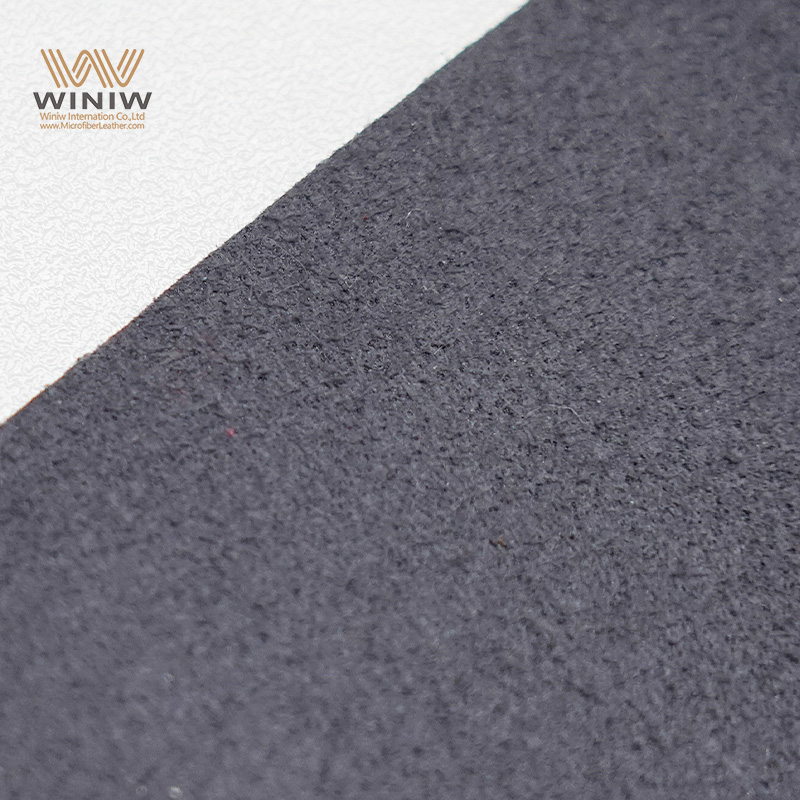
Kulit suede sintetis menawarkan keunggulan yang jelas dibandingkan dengan kulit asli Di beberapa bidang, produksi kulit asli membutuhkan peternakan hewan, yang menggunakan sejumlah besar air, lahan, dan energi. Proses ini juga menghasilkan emisi gas rumah kaca yang signifikan. Sebaliknya, kulit suede sintetis menghindari produk hewani dan mendukung fesyen yang etis. Tidak adanya peternakan hewan mengurangi dampak lingkungan dan selaras dengan nilai-nilai bebas kekejaman terhadap hewan.
Saat membandingkan daya tahan, kulit suede sintetis lebih tahan terhadap noda dan kelembapan daripada suede asli. Kulit suede sintetis mempertahankan bentuk dan teksturnya seiring waktu, sedangkan suede asli dapat meregang, memudar, atau rusak karena air. Perdebatan antara suede sintetis dan suede asli seringkali berpusat pada perawatan dan umur pakai. Pilihan suede sintetis membutuhkan perawatan yang lebih sedikit dan lebih tahan lama dalam penggunaan sehari-hari.
Catatan: Kulit suede sintetis dapat didaur ulang, menjadikannya pilihan yang lebih berkelanjutan bagi konsumen yang peduli lingkungan.
Banyak bahan sintetis yang ada di industri fesyen, tetapi tidak semuanya menawarkan manfaat yang sama. suede imitasi kulit. Suede sintetis kelas atas menonjol karena ramah lingkungan dan tahan lamaPara produsen terus meningkatkan tekstur dan kinerja suede sintetis, memenuhi permintaan akan pilihan yang berkelanjutan dan etis. Kain suede imitasi mudah dirawat dan tidak bergantung pada produk hewani, menjadikannya pilihan populer baik di industri fesyen maupun otomotif.
Keunggulan utama suede imitasi dibandingkan bahan sintetis lainnya:
Daya tahan dan ketahanan terhadap keausan yang unggul
Tekstur dan penampilan yang lebih baik
Peningkatan kemampuan daur ulang dan dampak lingkungan yang lebih rendah.
Produksi yang etis dan bebas dari kekejaman terhadap hewan.
Bahan imitasi seringkali bervariasi dalam kualitas dan dampak lingkungan. Kulit suede imitasi secara konsisten memberikan keseimbangan antara gaya, kinerja, dan keberlanjutan.
Biaya memainkan peran utama dalam pemilihan material. Kulit asli seringkali memiliki harga yang tinggi karena sumber daya dan tenaga kerja yang terlibat dalam produksinya. Kulit suede sintetis menawarkan alternatif yang terjangkau tanpa mengorbankan kualitas atau penampilan. Kulit suede sintetis tersedia secara luas dan mudah diakses oleh berbagai konsumen. Banyak merek menawarkan pilihan kulit suede sintetis dalam berbagai gaya dan warna, sehingga mudah untuk menemukan produk yang modis dan berkelanjutan.
Tabel perbandingan membantu menyoroti perbedaannya:
Bahan | Dampak Lingkungan | Daya tahan | Biaya | Aksesibilitas |
|---|---|---|---|---|
Kulit asli | Tinggi | Sedang | Mahal | Terbatas |
Kulit Suede Imitasi | Rendah | Tinggi | Terjangkau | Ditemukan secara luas |
Sintetis Lainnya | Bervariasi | Bervariasi | Sedang | Umum |
Kulit suede sintetis menonjol sebagai pilihan yang berkelanjutan, etis, dan hemat biaya. Daya tahan dan kemampuan daur ulangnya menjadikannya ideal bagi mereka yang mencari fesyen yang tahan lama dan bertanggung jawab.
Pembeli dapat menemukan kulit suede imitasi berkualitas tinggi dan berkelanjutan dengan memperhatikan beberapa fitur penting. Fitur-fitur ini membantu memastikan bahwa setiap pembelian mendukung gaya dan tanggung jawab lingkungan. Saat membandingkan suede imitasi vs suede asliPembeli sebaiknya mencari kelembutan yang konsisten dan konstruksi yang kuat. Kriteria berikut membantu mengidentifikasi pilihan terbaik:
Bahan Pendukung: Pilihlah pakaian dengan bahan katun tenun rapat. atau lapisan mikrofiber. Bahan-bahan ini menambah kekuatan dan meningkatkan daya tahan.
Kualitas Tidur Siang: Pastikan permukaannya terasa lembut secara merata. Hindari barang-barang dengan area yang tidak rata atau belang-belang.
Jenis Pelapisan: Pilihlah produk dengan lapisan poliuretan berbahan dasar air. Lapisan ini memiliki dampak lingkungan yang lebih rendah dibandingkan alternatif berbahan dasar pelarut.
Berat (GSM): Carilah angka GSM yang lebih tinggi. Kain yang lebih berat biasanya berarti daya tahan yang lebih besar dan nuansa yang lebih mewah.
Ketahanan Warna: Periksa hasil uji ketahanan pudar warna yang tersedia. Kain suede imitasi berkualitas tinggi seharusnya tahan terhadap pemudaran warna seiring waktu.
Ketahanan terhadap Abrasi: Carilah produk dengan daya tahan di atas 20.000 siklus. Tingkat ketahanan ini berarti material akan lebih awet, bahkan dengan penggunaan yang sering.
Ketahanan Air: Pertimbangkan sifat anti air, terutama untuk sepatu, tas, atau pakaian luar.
Panduan ini membantu pembeli memilih produk imitasi yang berkinerja baik dan tahan lama. Bahan sintetis berkualitas tinggi dapat menyaingi tampilan dan nuansa suede alami sekaligus mendukung nilai-nilai ramah lingkungan.
Tips: Selalu periksa label produk dan tanyakan kepada pengecer tentang proses pembuatannya. Merek yang bertanggung jawab sering kali membagikan detail tentang bahan dan pengujian yang mereka gunakan.
Perawatan yang tepat menjaga agar kulit suede imitasi tetap terlihat segar dan memperpanjang umurnya. Pembersihan rutin mencegah penumpukan kotoran dan membantu menjaga penampilan kain. Para ahli tekstil merekomendasikan praktik-praktik berikut:
Gunakan pembersih dengan pH seimbang yang dirancang untuk bahan sintetis.Hal ini mencegah kerusakan pada permukaan.
Gunakan kondisioner non-berminyak untuk menjaga kain tetap lentur dan lembut.
Bersihkan dengan kain mikrofiber atau sikat lembut. Alat-alat ini menghilangkan debu tanpa menggores serat kain.
Segera bersihkan tumpahan untuk menghindari noda. Bahan imitasi seringkali tahan air, tetapi tindakan cepat tetap membantu.
Gunakan kondisioner berbahan dasar air setiap beberapa bulan sekali. Ini menjaga kelenturan dan mencegah rambut retak.
Di daerah beriklim cerah, gunakan pelapis yang mengandung keramik. Ini melindungi dari pemudaran warna dan kerusakan akibat sinar matahari.
Hindari pembersih rumah tangga. Banyak yang mengandung bahan kimia keras yang dapat merusak lapisan permukaan.
Perawatan yang konsisten mendukung daya tahan kulit suede imitasi. Rutinitas sederhana membantu setiap produk tetap menarik dan fungsional selama bertahun-tahun.
Catatan: Selalu baca petunjuk perawatan yang diberikan oleh produsen. Mengikuti langkah-langkah ini memastikan hasil terbaik untuk setiap barang.
Industri fesyen terus berkembang dengan material berkelanjutan yang baru. Para peneliti mengembangkan tekstil canggih yang mengurangi dampak lingkungan. Kulit suede sintetis Kini, produk-produk tersebut menggunakan serat daur ulang dan lapisan berbahan dasar air. Inovasi-inovasi ini membantu menurunkan emisi dan mendukung perlindungan lingkungan. Produsen juga bereksperimen dengan alternatif berbahan dasar tumbuhan dan pilihan yang dapat terurai secara hayati. Banyak merek berinvestasi dalam teknologi yang meningkatkan kualitas dan daya tahan material imitasi. Kemajuan ini membuat pilihan ramah lingkungan lebih mudah diakses oleh desainer dan konsumen.
Tip: Perusahaan yang fokus pada material berkelanjutan sering kali menjadi pelopor dalam mode ramah lingkungan.
Preferensi konsumen bergeser ke arah produk yang ramah lingkungan. Survei terbaru menunjukkan bahwa sekitar 70% pembeli mempertimbangkan dampak lingkungan. Saat melakukan pembelian, orang menghargai transparansi dalam rantai pasokan dan ingin mengetahui bagaimana produk dibuat. Mereka juga mencari daya tahan dan konsumerisme etis dalam pilihan mereka. Popularitas kulit suede imitasi meningkat seiring semakin banyak konsumen mencari alternatif untuk bahan berbasis hewan. Analis pasar memperkirakan bahwa pasar kulit suede imitasi dalam mode berkelanjutan akan tumbuh dengan tingkat pertumbuhan tahunan gabungan sebesar 8% dari tahun 2026 hingga 2033. Dalam lima tahun ke depan, pasar ini dapat melampaui $1 miliar. Pertumbuhan ini berasal dari meningkatnya permintaan akan produk mewah dan ramah lingkungan, serta inovasi berkelanjutan dalam bahan ramah lingkungan.
Tren konsumen utama:
Meningkatnya permintaan akan pilihan yang ramah lingkungan.
Fokus pada daya tahan dan transparansi.
Meningkatnya minat pada perbandingan suede imitasi dan suede asli
Mendukung fesyen ramah lingkungan membutuhkan tindakan dari merek dan konsumen. Merek harus mengedukasi pembeli tentang manfaat bahan imitasi dan berinvestasi dalam produksi yang hemat biaya. Konsumen dapat mendukung konsumerisme etis dengan memilih produk yang terbuat dari bahan berkelanjutan. Mereka juga dapat mengajukan pertanyaan tentang sumber dan proses pembuatannya. Sensitivitas harga dan persaingan dari kulit alami tetap menjadi tantangan, tetapi pilihan yang tepat membantu mendorong perubahan. Ketika orang memilih kulit suede imitasi, mereka mendukung perlindungan lingkungan dan mendorong industri untuk berinovasi lebih lanjut.
Catatan: Setiap pembelian produk ramah lingkungan mendukung masa depan mode yang lebih bersih dan bertanggung jawab.
Kulit suede sintetis membuat fesyen ramah lingkungan dapat diakses oleh semua orang. Material ini menawarkan keberlanjutan, gaya, daya tahan, dan harga yang terjangkau. Orang-orang melihat keuntungan yang jelas ketika membandingkan suede sintetis dengan suede asli. Pembeli menemukan pilihan yang bertanggung jawab terhadap lingkungan tanpa mengorbankan kualitas atau penampilan.
Berkelanjutan dan bebas dari kekejaman terhadap hewan
Tahan lama dan mudah dirawat
Terjangkau untuk sebagian besar anggaran
Memilih kulit suede sintetis mendukung masa depan yang lebih bersih. Pertimbangkan opsi ini untuk pembaruan lemari pakaian Anda berikutnya.
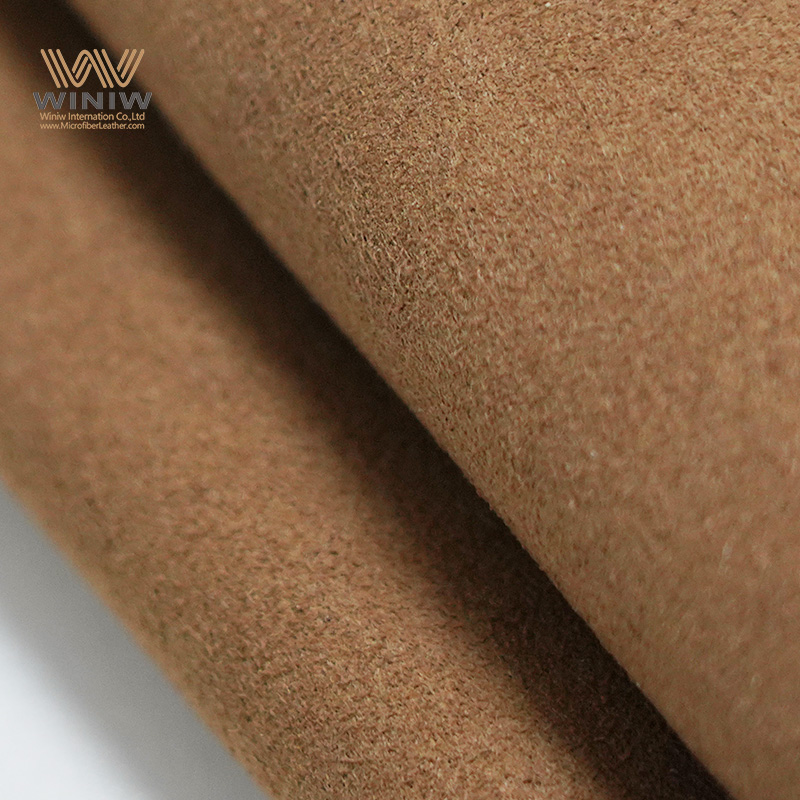
Para produsen menggunakan serat sintetis seperti poliester atau campuran poliester dan poliuretan. Beberapa merek menggunakan bahan daur ulang. Serat-serat ini menciptakan permukaan yang lembut dan berbulu halus yang terlihat dan terasa seperti suede asli.
Kulit suede sintetis lebih tahan air daripada suede asli. Banyak produk memiliki lapisan poliuretan tipis. Lapisan ini membantu menolak kelembapan dan mencegah noda. Namun, pengguna tetap harus menghindari merendam bahan tersebut.
Kulit suede imitasi menggunakan lebih sedikit sumber daya alam daripada kulit asli. Pembuatannya tidak memerlukan peternakan hewan. Banyak produsen menggunakan serat daur ulang. Hal ini mengurangi limbah dan menurunkan jejak karbon.
Beberapa kulit suede sintetis menggunakan poliester daur ulang dan dapat didaur ulang kembali. Konsumen harus memeriksa pedoman daur ulang setempat. Tidak semua fasilitas menerima tekstil sintetis.
Sebagian besar noda dapat dihilangkan dengan kain lembap atau sikat lembut. Pengguna sebaiknya menghindari bahan kimia keras. Menyikat secara teratur menjaga kelembutan bulu. Selalu periksa label perawatan untuk petunjuk khusus.
Kulit suede imitasi terasa lembut dan halus. Banyak orang tidak dapat membedakannya hanya dengan sentuhan. Teksturnya tetap konsisten dari waktu ke waktu, tidak seperti suede alami yang dapat berubah seiring penggunaan.
Kulit suede sintetis tidak mengandung produk hewani. Hal ini menjadikannya pilihan yang baik bagi orang yang alergi terhadap kulit hewan. Selain itu, kulit suede sintetis juga lebih tahan terhadap tungau debu dibandingkan suede alami.
Para desainer menggunakan kulit suede sintetis dalam jaket, sepatu, tas, topi, dan aksesori. Fleksibilitas material ini memungkinkan terciptanya berbagai gaya dan warna. Material ini cocok untuk tampilan kasual maupun formal.
Business Phone : +8618150976625
E-mail : Hello@MicrofiberLeather.com
Mobile & WhatsApp : +8618150976625
Alamat : W6-302 Shimao Manhadun Shuanglong Road, Jinjiang Quanzhou Fujian China



© hak cipta 2022 Winiw International Co., Ltd.Seluruh hak cipta.
XML | Kebijakan pribadi |